

What College Volleyball Coaches Really Evaluate Beyond the Statistics

Statistics can tell part of a student-athlete’s story, but they cannot capture every quality that shapes performance and development. College volleyball coaches may look beyond points, kills,
Strength & Conditioning for Long-Term Athletic Development

Physical prep isn’t just about workouts; it’s about supporting the whole person through every stage of growth. It starts with how you move, your balance, your strength, and your ability to handle physical demands.
Building Confidence in Athletes: What Strengthens It — and What Can Erode It

Athlete confidence rarely moves in a straight line. A student-athlete can begin a season feeling capable and secure, then struggle after an injury, a difficult stretch of competition, reduced playing time, a coaching change or simply several performances that don’t go as planned.
Confidence Isn’t Given. It’s Built.

Confidence in young athletes is often treated as though it is something they either have or they don’t. One athlete appears fearless under pressure. Another hesitates after making a mistake. A third performs confidently in practice but becomes uncertain when the stakes feel higher.
What College Volleyball Coaches Really Evaluate Beyond Statistics

Statistics are an important part of volleyball. They help measure performance, identify trends and provide useful information about what happened during a match or across a season.
Why Some Highly Talented Athletes Don’t Get Recruited

Every year, highly talented student-athletes reach the later stages of high school surprised by how few college opportunities have developed. Sometimes the issue is athletic fit.
What College Coaches Actually Value Beyond Talent

Every parent asks the same question: “Does my child have what it takes?
The highlight reel looks fantastic, stats jump off the page, but here is what most families miss completely.
How Sport Builds Leadership on and off the Field
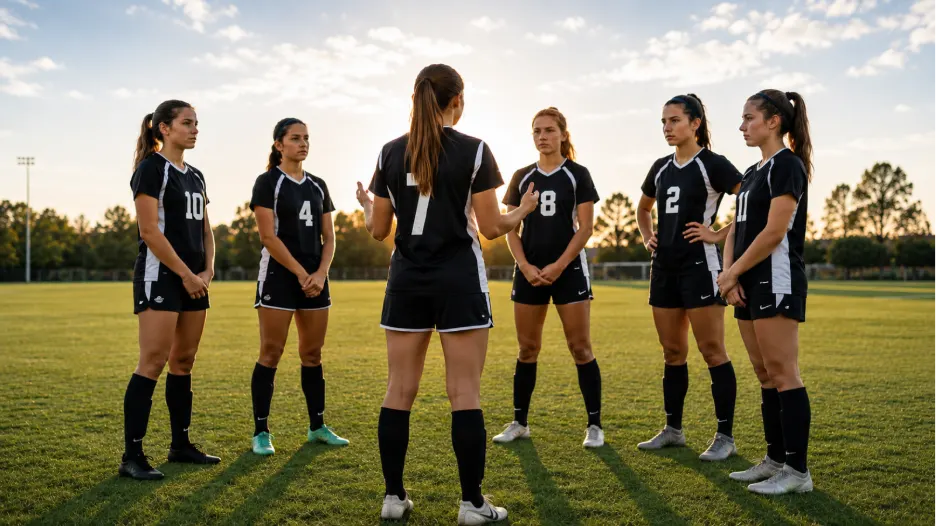
Think about the last time your student-athlete organized a warm-up, checked in on a teammate having a rough game, or owned up to a mistake without being asked. Those small moments are leadership in action. They rarely make the highlight reel, but they shape who a young person becomes.
Can You Play College Sports Without Being Recruited?
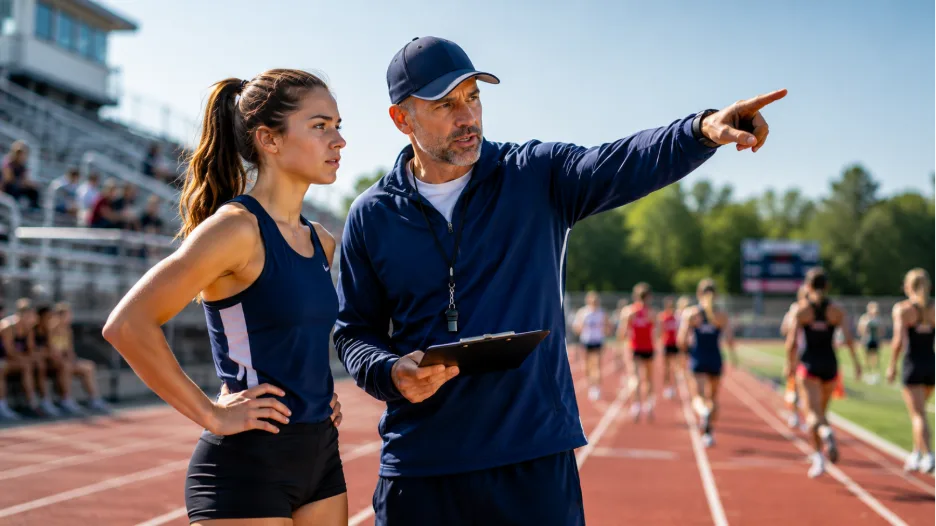
One of the biggest myths in college recruiting is that if a coach hasn’t recruited you by your junior or senior year, your opportunity to play college sports has passed. Fortunately, that’s simply not true.
Every year, thousands of student-athletes earn roster spots without receiving early recruiting attention. Some walk on after enrollment. Others proactively contact coaches and find the right opportunity. Some simply develop later than their peers and continue improving until the right fit emerges.
College Track & Field Recruiting Standards: What Parents and Athletes Need to Know
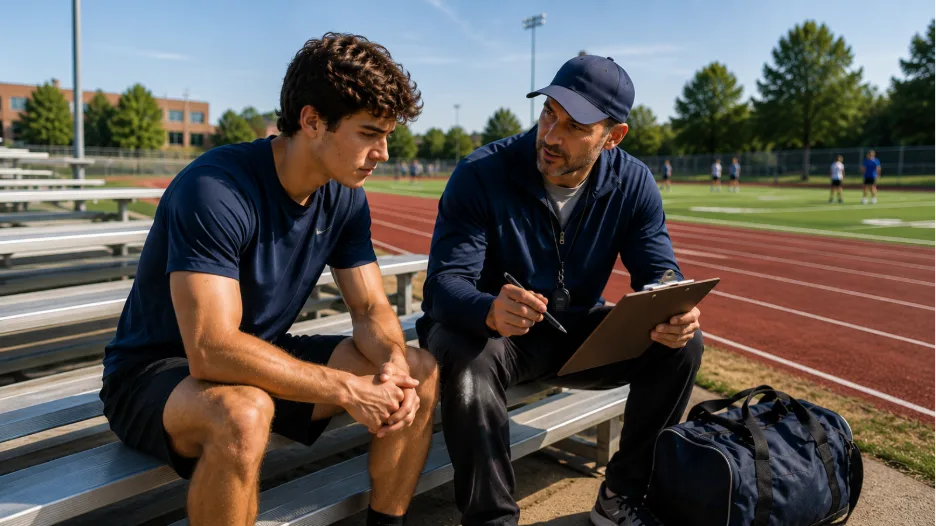
Imagine two high school sprinters. Both run nearly identical 100-meter times. One receives recruiting interest from several colleges. The other hears very little. How is that possible? If recruiting were based only on a stopwatch, both athletes would receive the same opportunities.
But recruiting is rarely that simple.
College Athlete Development: A Year-Round Guide to College Readiness
Imagine two student-athletes with similar athletic ability. Both earn opportunities to compete in college. One quickly adjusts to the demands of college athletics. They manage classes, communicate well with coaches, handle the increased training load, and become an important contributor within their program.
One quickly adjusts to the demands of college athletics. They manage classes, communicate well with coaches,
How to Get Noticed by College Coaches: Why Exposure Isn’t Enough
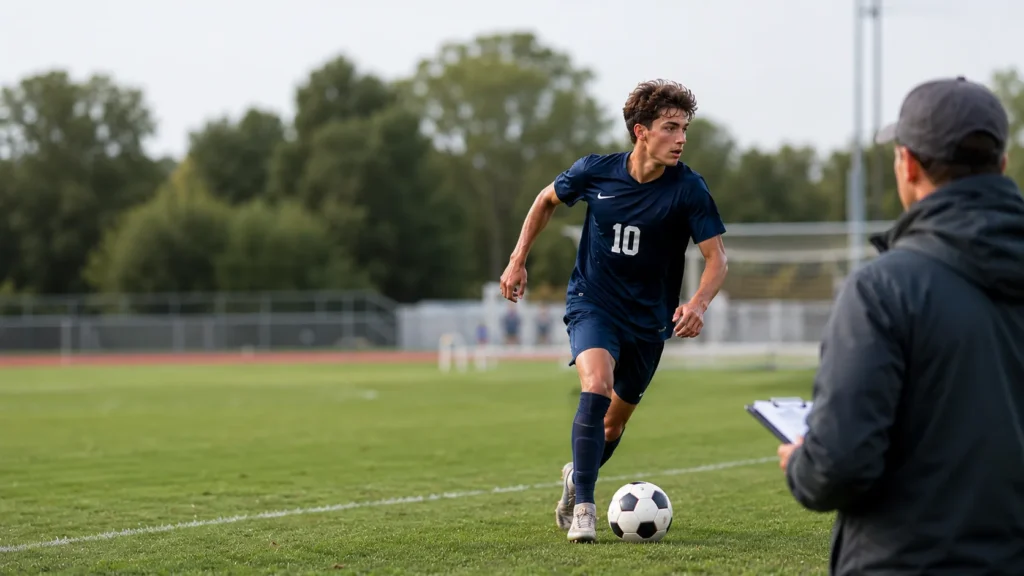
For many families, one of the biggest questions in the recruiting process is: “How do college coaches actually notice my student-athlete?” The answer is often more complicated than people expect. You’ll hear plenty of advice about attending more showcases, playing in bigger tournaments, or creating a better highlight video. Those things certainly have value—but they are only part of the equation.
The Road to College Sports: Is Your Student-Athlete Ready?
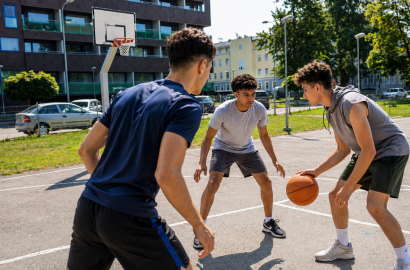
For many families, the dream of playing college sports begins with a simple question: “What does it actually take to play sports in college?” At first, the answer seems straightforward. Play well, get noticed, and opportunities will come. In reality, the journey is much more nuanced.
College coaches aren’t simply looking for talented athletes. They’re looking for student-athletes who are prepared to succeed in one of the most demanding environments of their young lives—academically, athletically, and personally.
Benefits of Sports for Students: How Athletics Build Confidence and Leadership
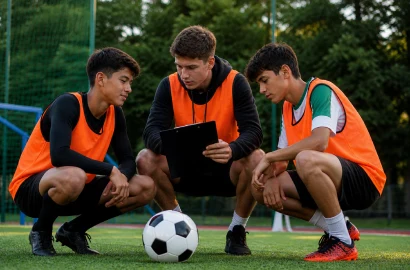
Participation in sports can be a transformative experience for student-athletes. The field, court, pool, course, track, or gym often becomes a place where young people learn some of life’s most valuable lessons.
NCAA Big Decision: Redshirt System Ended, 5 Years 5 Seasons Rule
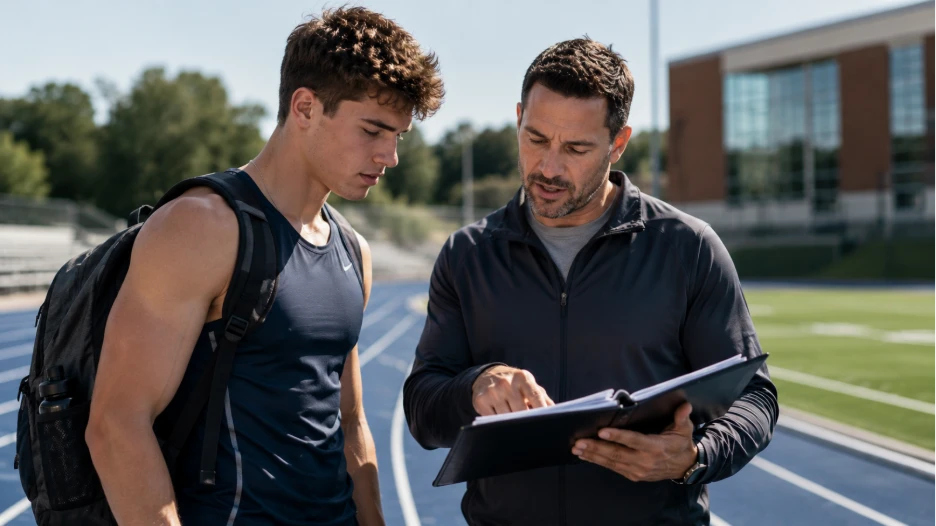
A major announcement by the NCAA on June 23, 2026 has changed college sports as we know it. Football, basketball, and every other NCAA Division I sport is moving toward a completely different eligibility system.
The Truth About College Athletic Recruiting: What Families Often Miss
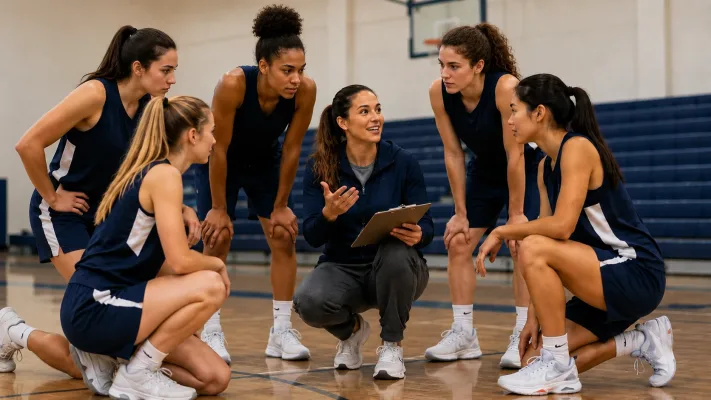
If you speak with enough families going through the process, you start to notice a pattern. Most begin college athletic recruiting with a lot of questions; and often, a lot of mixed or incomplete information.
What Coaches Look For Beyond Statistics
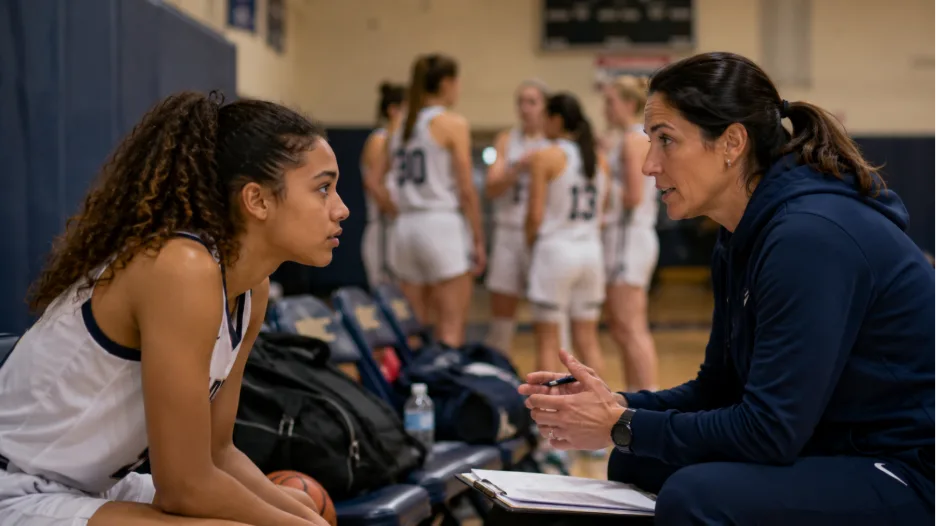
Many families assume that college coaches make decisions primarily based on statistics, rankings, scores, race times, tournament results, or highlight videos.
Benefits of Being a Student Athlete in College: Career Advantages
Being a student athlete sounds great from the outside. You’re playing a sport you enjoy, representing your college, maybe even getting recognition for it.
How to Reclass in High School: Rules, Timeline and Eligibility
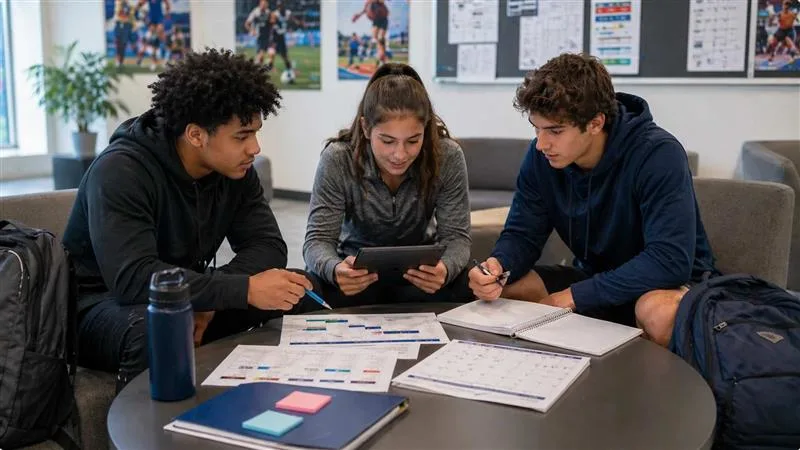
For a lot of student-athletes and their families, the recruiting journey does not always follow a straight line. Sometimes the timeline just does not fit. That is when people start asking: how to reclass in high school? Reclassing just means changing your expected graduation year. Some kids move up and graduate early.
How Do Athletic Scholarships Work? Rules, Types and Process
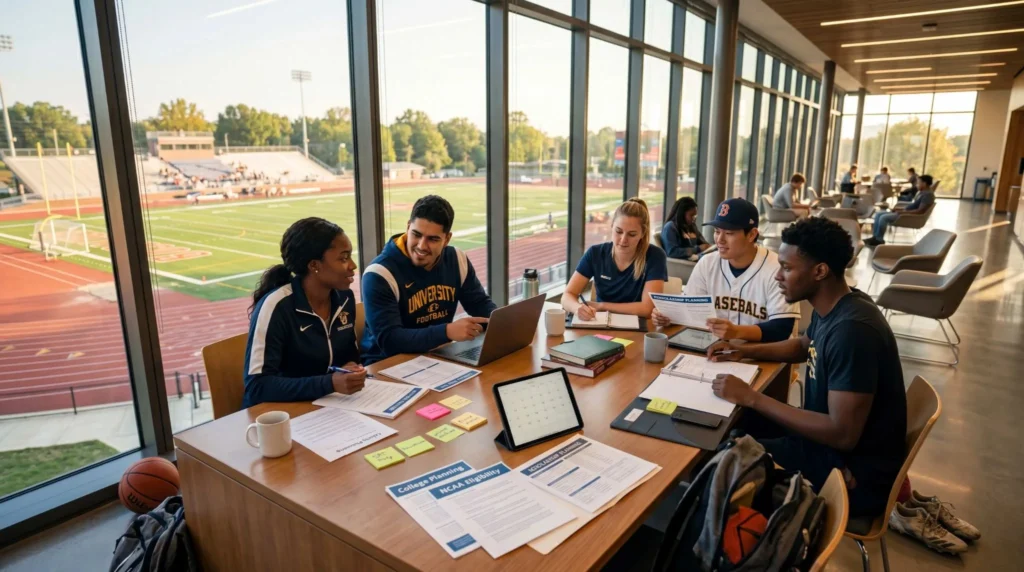
For a lot of student-athletes and their families, one of the biggest questions is how do athletic scholarships work. You see the highlights on TV. You hear about the big signings. But what does it actually look like for a normal family?
How Does Transferring Colleges Work for Student-Athletes?
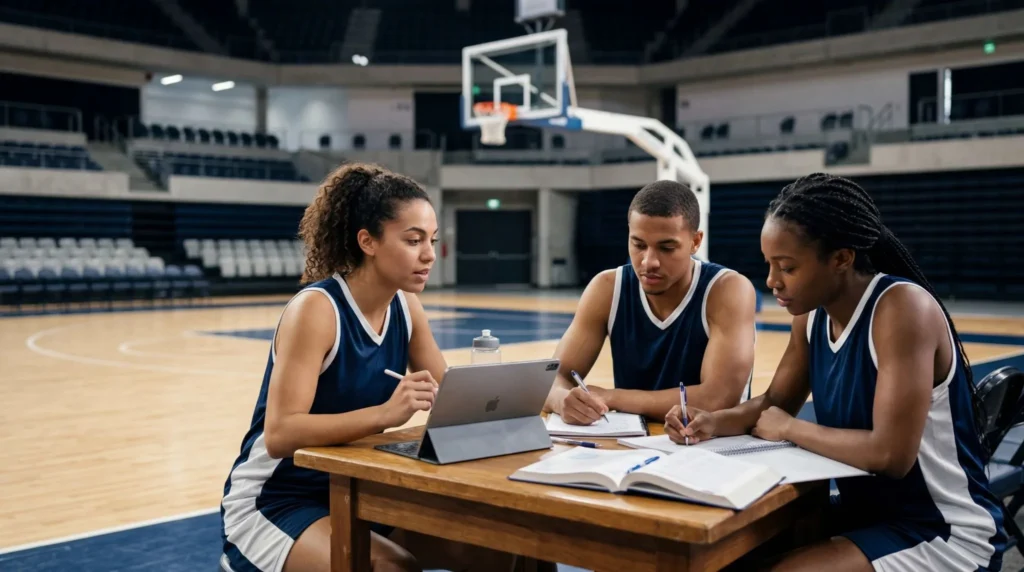
For a lot of student-athletes, the college path does not go exactly how they pictured it. Maybe the team is not the right fit. Maybe a coach left. Maybe the school itself just does not feel like home anymore. Whatever the reason, you are not alone if you are asking: how does transferring colleges work?
What Is a NCAA Eligibility Number? Registration Guide
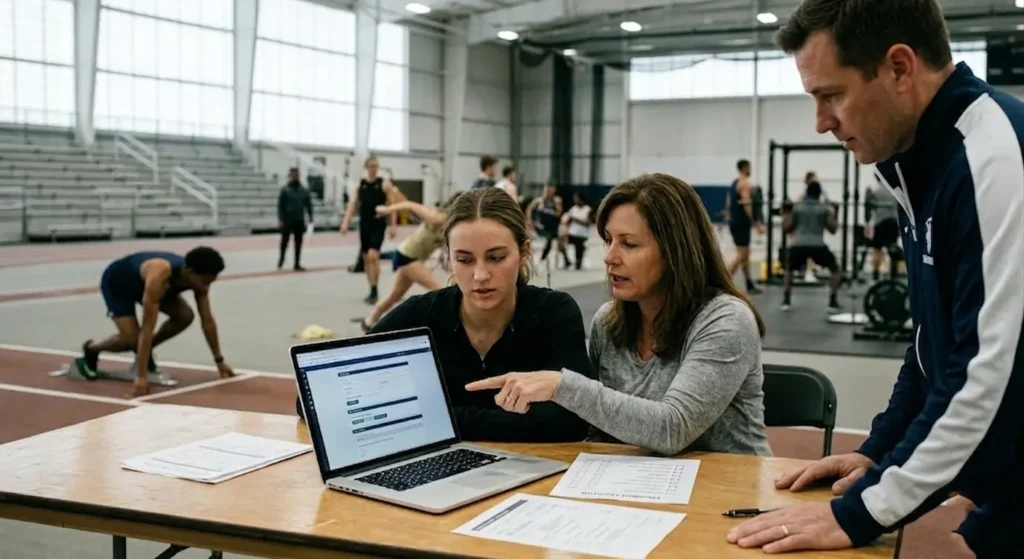
The journey toward college sports in the U.S. brings excitement and a fair share of paperwork. You hear terms like “compliance,” “amateurism,” and “qualifier” thrown around constantly. Among the most important items on your checklist is a unique NCAA-issued identification number. Many families find themselves asking, what is NCAA eligibility number and why does it matter so much for the future?
This identification number serves as your permanent record within the NCAA Eligibility Center. Think of it as a unique identifier that allows the NCAA Eligibility Center to track your academic and amateurism information in one place. Without it, your journey toward competing at the collegiate level cannot move forward. This guide simplifies the registration process and explains how to handle your profile with confidence.
How to Get Offers from Colleges: Athlete Recruiting Steps
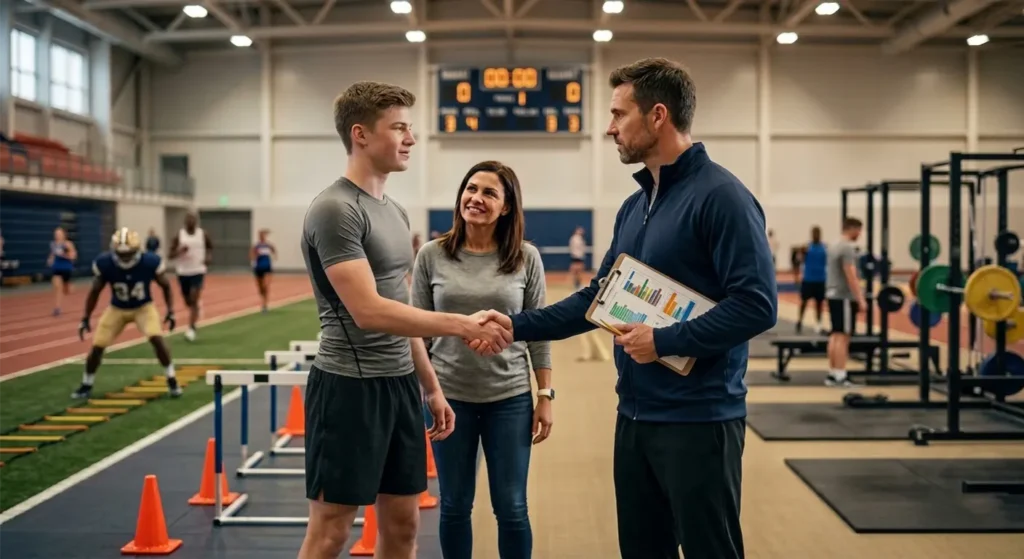
Landing a spot on a college roster feels like a dream for many young people in the U.S. today. However, talent alone rarely secures a roster spot. You need a strategy, a deep understanding of the rules,
What Is Revenue Sharing in College Sports? A Guide for Families
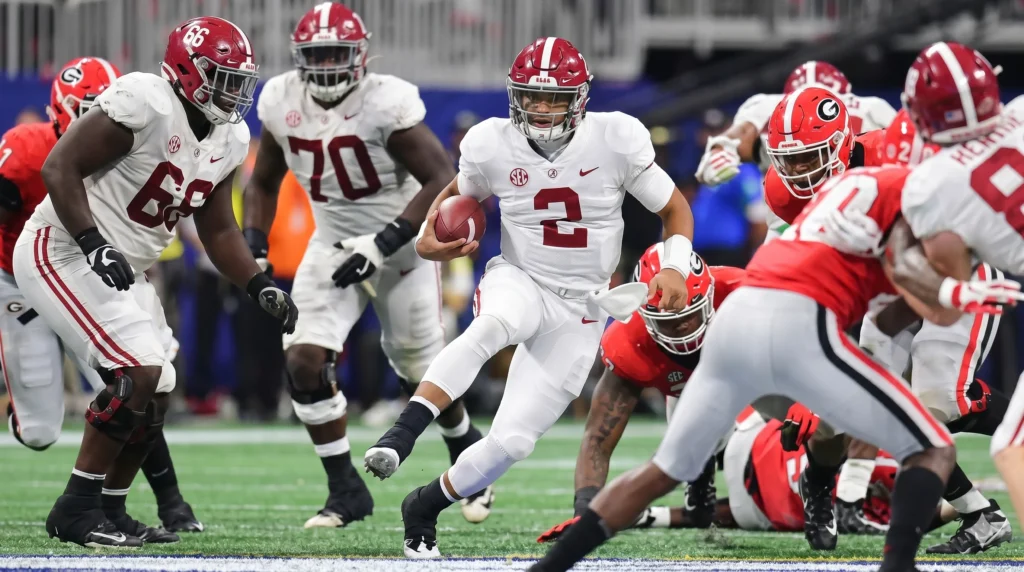
If you follow college athletics, you have likely heard the term “revenue sharing” appearing in headlines. It is one of those phrases that sounds important but can feel confusing, especially when connected to NIL and NCAA rules. For families with student-athletes, understanding what is revenue sharing in college sports matters more than ever.
The scenario has shifted quickly. What started with Name, Image, and Likeness opportunities has now expanded into broader conversations about how schools can directly compensate athletes. This guide walks through the basics in plain language, so you know what is happening and how it might affect your family’s journey.
College Sports Divisions Explained DI, DII & DIII Differences
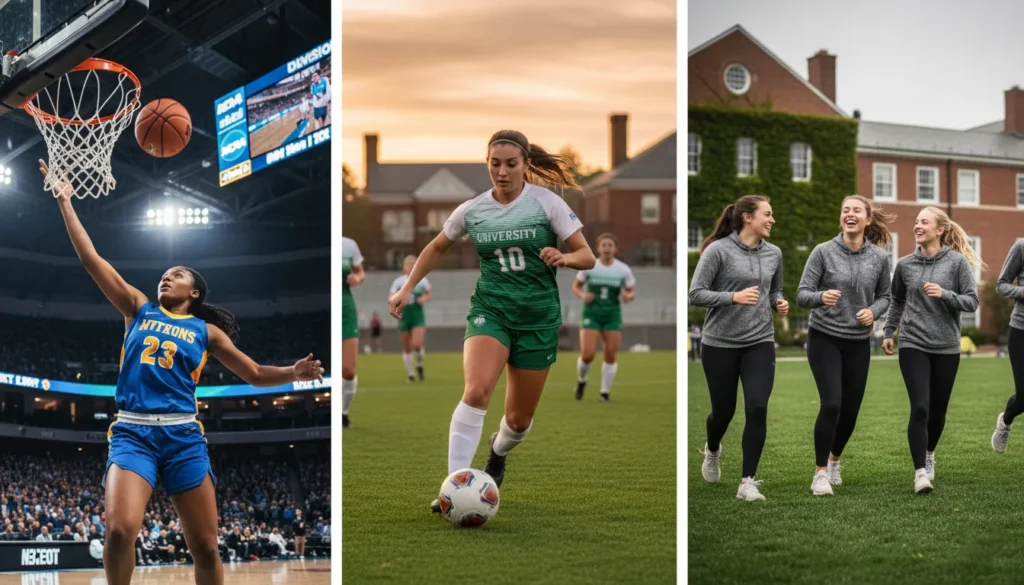
Understanding college sports and their recruiting process in each division, I, II & III, feels confusing to many student athletes. The National Collegiate Athletic Association (NCAA) is the governing body of these divisions that sets out different rules and expectations fostudent-athletes. Selecting the right path by following all rules requires clear knowledge of how college sports divisions operate.
In this article, we will address every detail about DI, DII & DIII and their requirements.
What is a D1 Athlete? NCAA Division I Requirements Guide
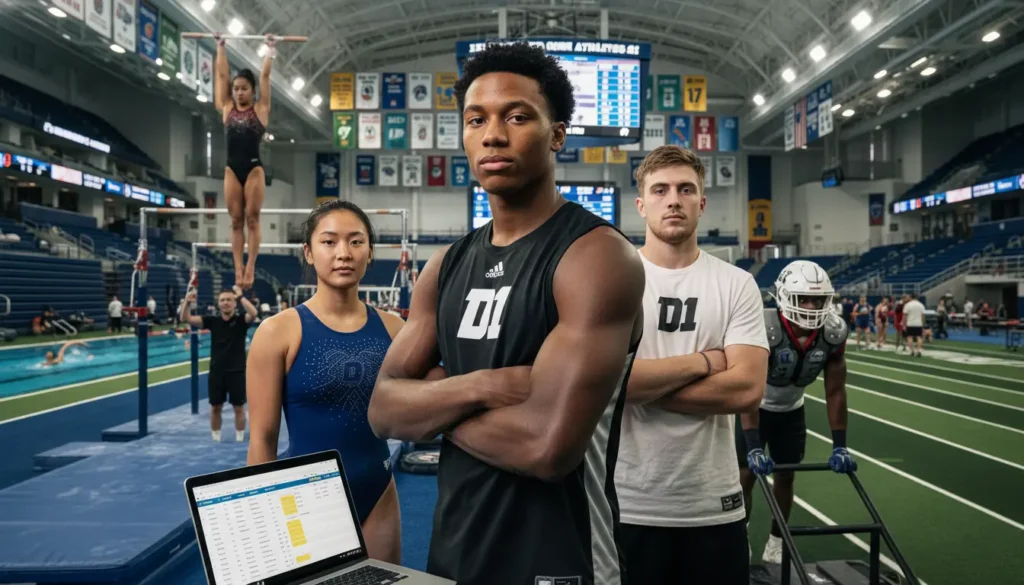
A D1 athlete competes at the highest NCAA level, meeting strict standards in performance, academics, 16 core courses, GPA, and eligibility rules.
How to Get Colleges to Notice You for Sports Recruiting
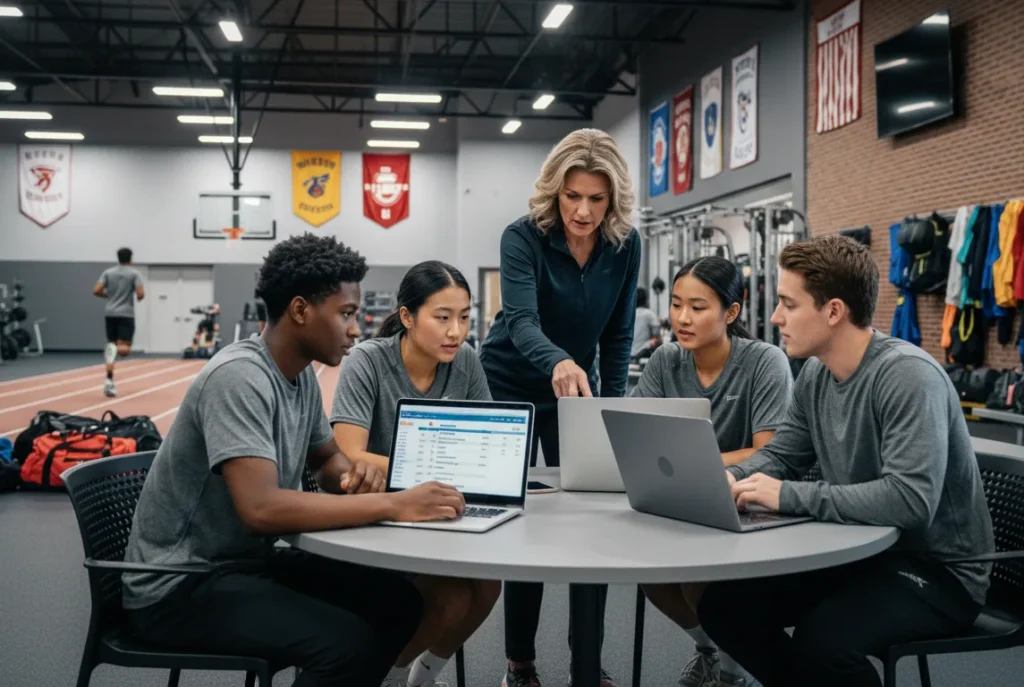
Getting noticed by college coaches starts with a clear plan built around NCAA or NAIA rules, academics, and long‑term athletic development. If you are serious about understanding how to get colleges to notice you for sports, the process begins with preparation, structure, and consistency – not shortcuts. College coaches look for student‑athletes who can balance competitive performance with academic responsibility and clearly present their abilities in an organized, professional way.
This article provides a clear roadmap for student‑athletes who want practical, rule‑compliant guidance through the college recruiting process. You will learn how to build a professional presence, understand recruiting timelines, and navigate the academic and eligibility requirements that shape college athletics.
NCAA Medical Redshirt Requirements Explained for Athletes
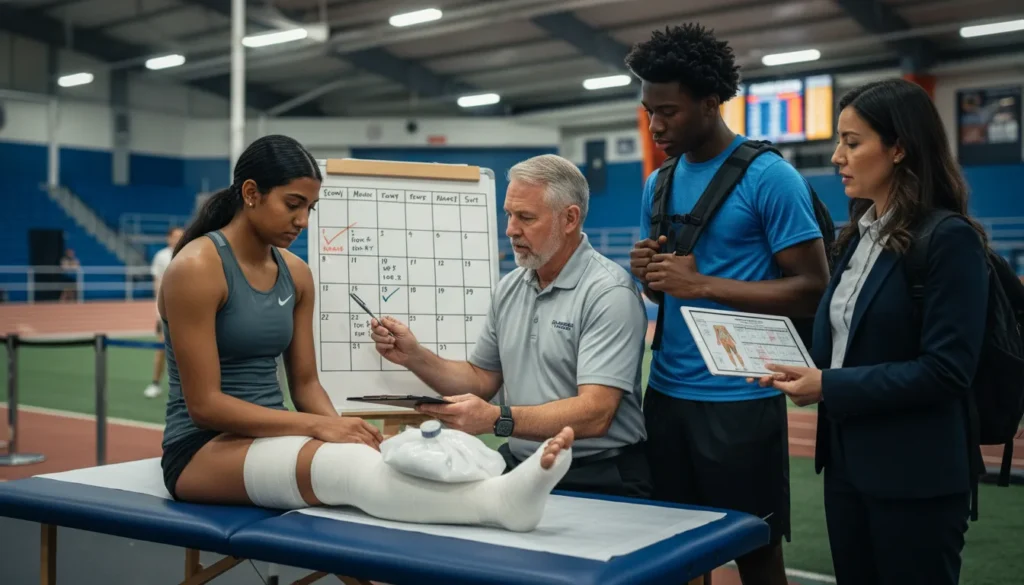
Student athletes face physical challenges every day during their college careers. Injuries happen during practice or high-stakes games. When a season-ending injury occurs, families often look for ways to save a year of eligibility. Most people call this a “medical redshirt,” but the NCAA officially labels it a Hardship Waiver. Understanding the specific NCAA medical redshirt requirements helps families protect the future of their student-athletes during these challenging times.
What Is the NCAA Transfer Portal? Rules, Timeline, & Process
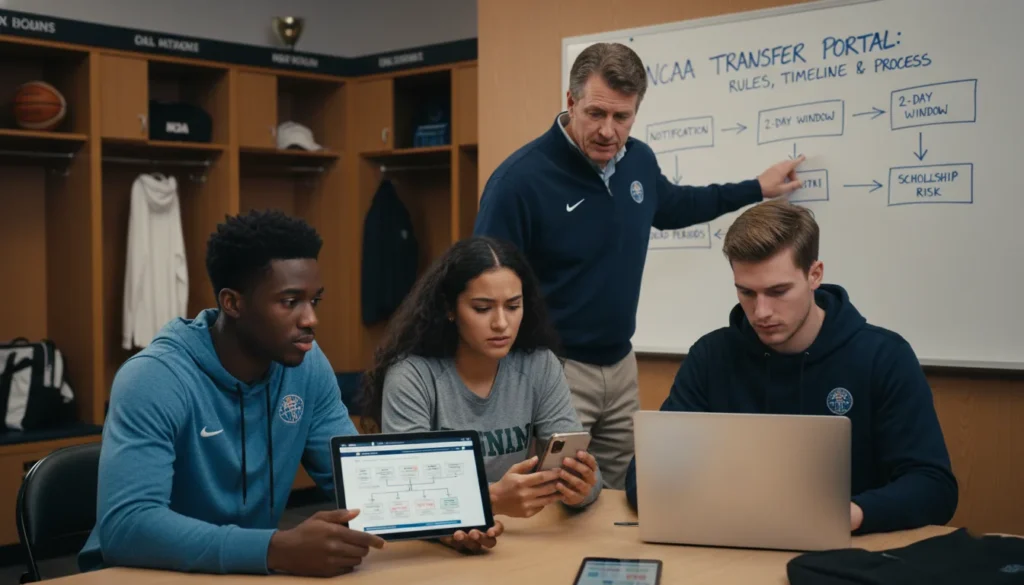
College sports have undergone a massive transformation over the last few years. The days of a student-athlete staying at one school for four straight years regardless of the situation have largely vanished. This shift stems from a digital tool that changed how everyone views roster management and collegiate careers. Families often feel overwhelmed when they first encounter this system because the rules seem to change every season. Understanding this environment is the first step for any family hoping to navigate the collegiate landscape successfully. This guide provides all the necessary details about what is the NCAA transfer portal.
How to Get Recruited for Track and Field in College
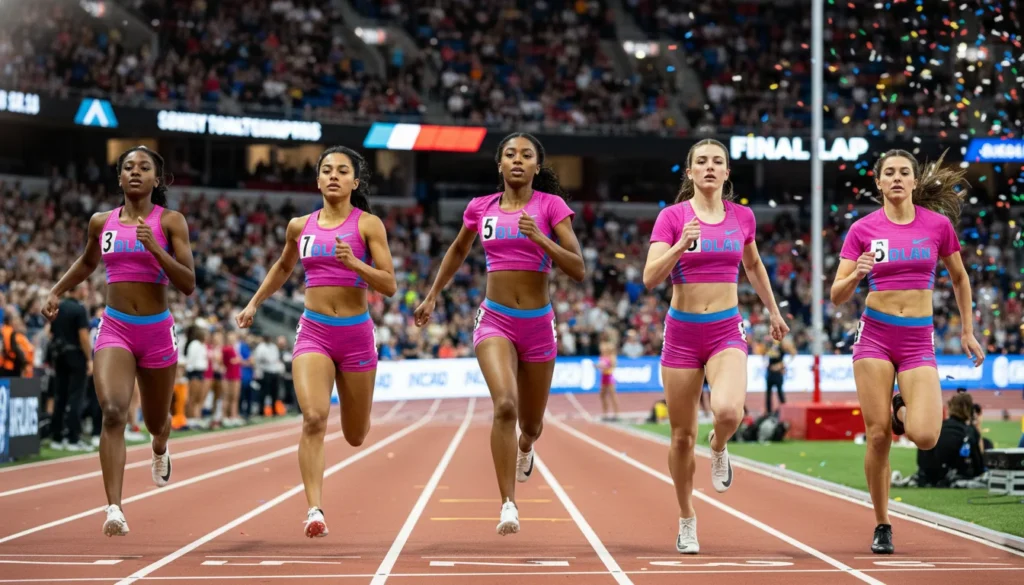
The dream of competing under the bright stadium lights doesn’t just happen by accident. If you want to know how to get recruited for track and field, you need a roadmap that balances raw speed with academic discipline and a deep understanding of the regulatory landscape. Many families assume that if a high schooler runs fast enough, coaches will simply find them. In reality, the burden of visibility rests on your shoulders.
In this guide, you will get to know essential steps to follow to get recruited for track and field in college.
How do Colleges Recruit Athletes? Complete Guide
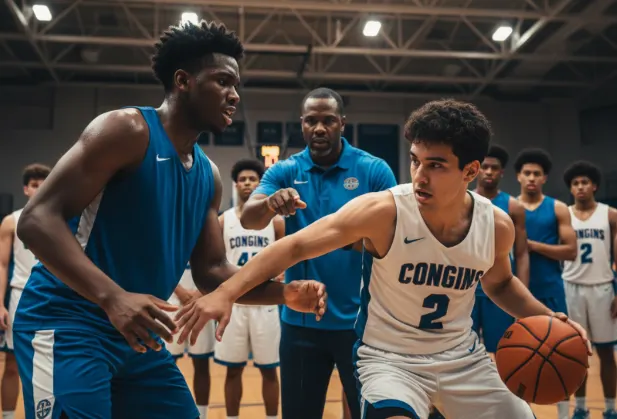
The path to playing at the collegiate level often feels complex for many families and student-athletes. You might wonder why some student-athletes receive attention while others with similar skills do not. This is where understanding how colleges recruit athletes becomes important.
The process involves much more than just playing well. It requires a deep understanding of timing, compliance, and presentation. Coaching staff follow a very specific set of rules established by governing bodies. If you ignore these rules, you risk your eligibility before the process even starts. This guide breaks down every step so your family can feel confident and prepared.
What Is the Dead Period in NCAA Recruiting? Complete Guide
Families and student-athletes across the country ask the same question every year: what is the dead period in ncaa recruiting? Confusion spreads fast when calendars shift, rules change, and social media rumors take over. Clear answers matter because one wrong move can create compliance problems.
Understanding this specific window of time is crucial for every family hoping to see their student-athlete compete at the next level. This article will guide you on what the dead period means, how it works, and how to stay on track.
When Can NCAA Coaches Talk to Recruits? Full Timeline
Finding top college sports recruitment opportunities often feels like walking through a complex maze without a map. Families and student-athletes frequently ask one specific question that when can ncaa coaches talk to recruits?
Best NIL Opportunities for Female Athletes in College for 2026
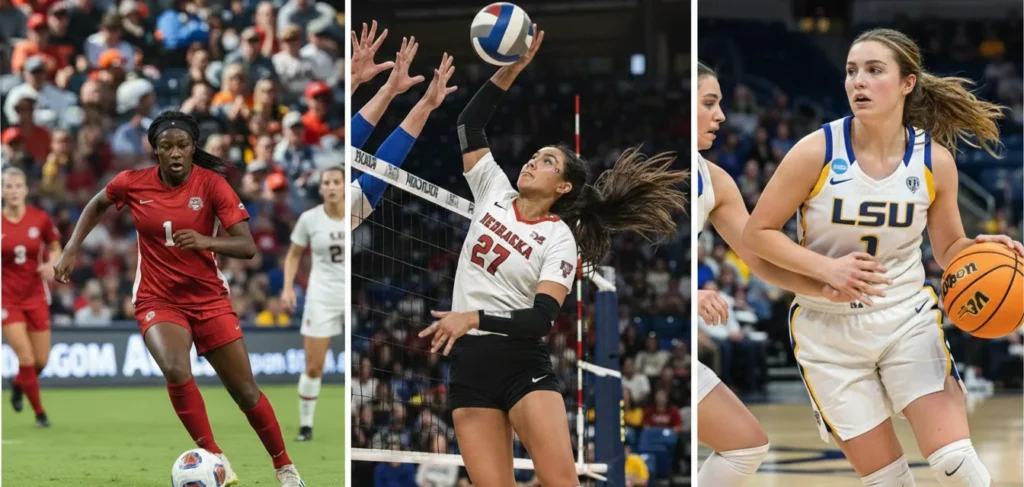
The world of college athletics has shifted dramatically. What was once mostly about scholarships and playing time now includes something new: NIL opportunities for female athletes. For women student-athletes, this change has opened doors that simply did not exist a few years ago. The 2026 environment looks very different, and families who understand it early are in a much stronger position.
College Recruiting Guidance: A Practical Guide for Athletes and Parents
College recruiting guidance that gives athletes and parents a clear plan for timelines, profiles, eligibility, and finding the right college fit.
NCAA Recruiting Rules Explained: What Athletes Need to Know and Why
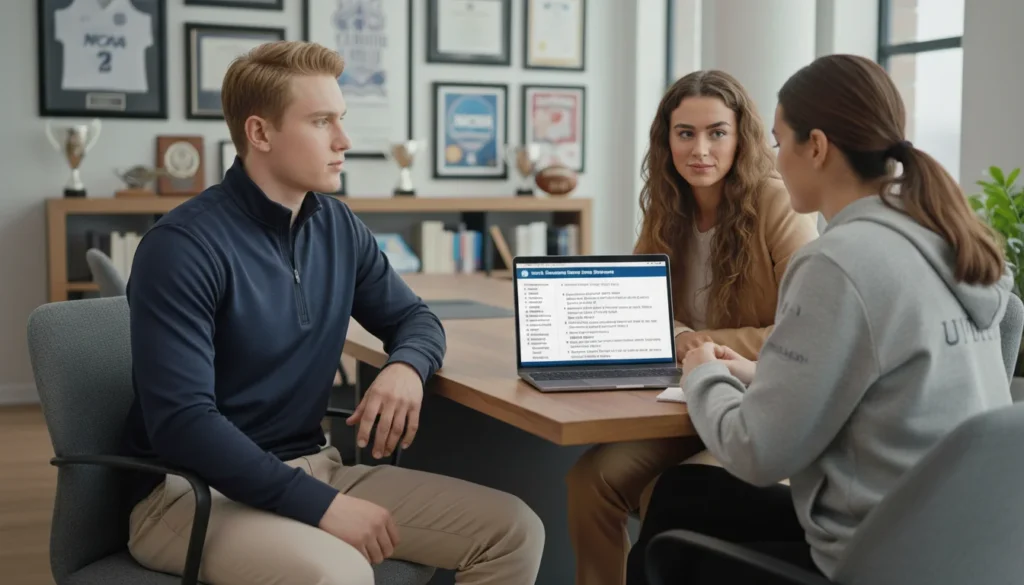
Families across the U.S. often feel overwhelmed while searching for college sports opportunities. Rules feel complex, and timelines feel strict. One wrong move can create stress or confusion. Clear education changes everything. Understanding the NCAA recruiting rules explained in this guide will help you stay on the right side of compliance while you build your future.
What Is the Importance of Sleep for Student-Athletes’ Performance?

Many high school student-athletes treat sleep like an optional luxury. They stay up late finishing homework, then wake up early for sports sessions. This cycle creates a massive performance gap. Most people focus on high-tech gear or expensive supplements, but the most powerful tool for improvement costs zero dollars. Understanding the link between sleep and athletic performance changes the game for anyone looking to compete at the collegiate level.
The physical and mental demands placed on student-athletes require more than just a standard eight hours of rest. Your body performs complex maintenance while you dream. When you skip these hours, you leave your potential on the table. You also increase the risk of missing critical developmental windows. This article explores the ten primary benefits of rest and why every student-athlete must prioritize their pillow as much as their practice.
Single Sport or Multi Sport: What’s Best for Your Teen?
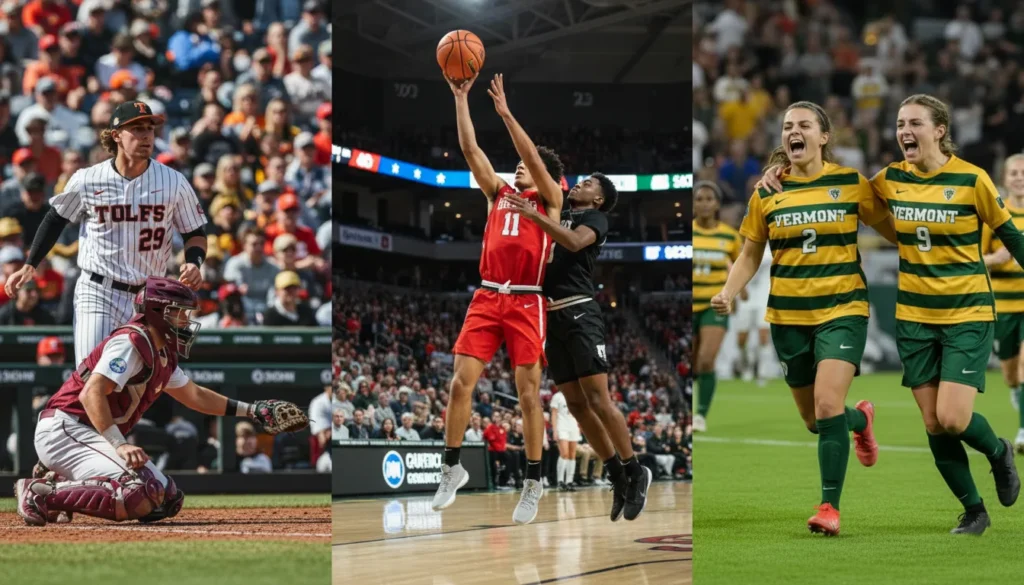
If you’re the parent of a dedicated young athlete, you’ve likely had this conversation at the kitchen table or on the drive home from practice: the question of single sport vs multi sport athletes. Should an athlete focus on one sport early, or continue competing across different seasons while developing a broader athletic foundation?
It’s not a decision about right or wrong, but about understanding what each path truly involves. From early specialization and year-round competition to the balance, variety, and recovery that come with multi-sport participation, these choices carry real trade-offs. Looking closely at how the journeys of single sport vs multi sport athletes unfold helps families make informed decisions that support long-term development and future college opportunities.
10 Benefits of High School Sports for Students
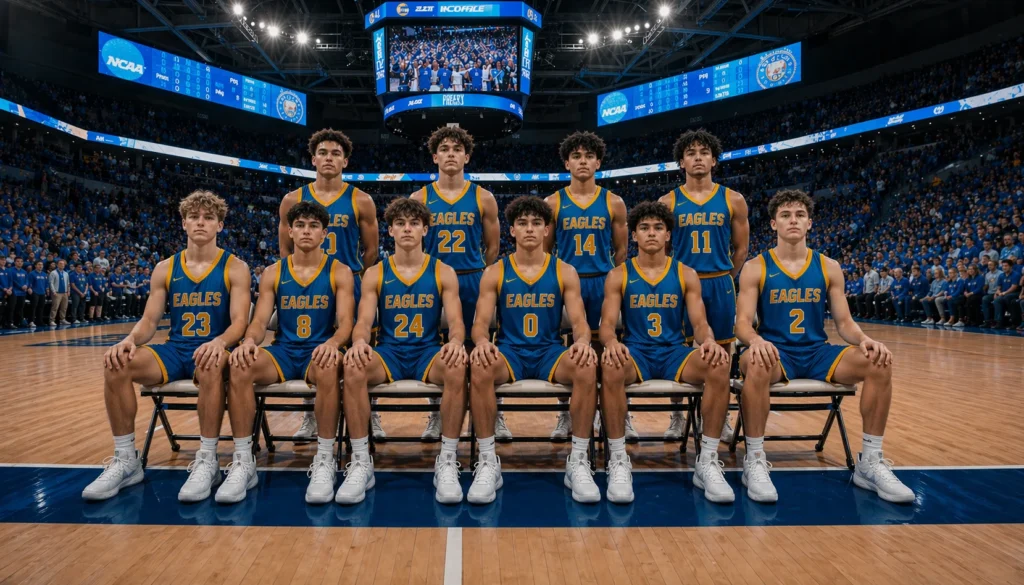
As a parent, you’ve seen it: the late practices, the muddy uniforms, the Saturday morning games in the rain. It’s a big commitment for your teens and for your family. You might ask yourself sometimes, is all this really worth it? Does my child get any benefits from high school sports?
We hear that question a lot various communities. And while we work with student-athletes looking toward college sports, we always come back to this truth: the value of high school sports isn’t just in winning games or even in getting a scholarship. The real value is in the person your teen becomes along the way.
The field, the court, and the pool are classrooms without walls. Here, young people learn lessons that stick with them long after the season ends. Let’s talk about ten of the most important benefits of high school sports you’ll likely see in your student‑athlete.
How to Build a Student Athlete Profile That College Coaches Actually Read
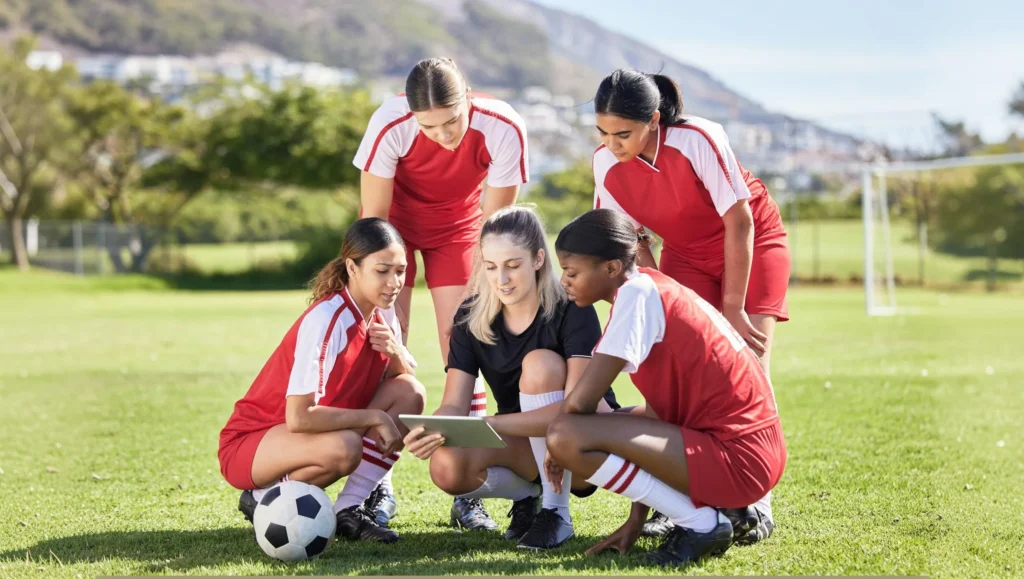
A strong student athlete profile is one of the most important tools in the recruiting journey. It helps college coaches quickly understand who you are not only as an athlete but also as a student, a competitor, and a potential fit for their program. With hundreds of emails, messages, and forms coming across a coach’s desk each week, your student- athlete profile needs to be clear, complete, and easy to evaluate.
Many families think a college recruiting profile is just a highlight video and a list of stats. In reality, coaches are looking for something much deeper: consistency, accuracy, character, and a snapshot of long-term potential. When crafted well, your college recruiting profile becomes a professional representation of you, one that helps coaches understand whether they should learn more, watch you compete, or follow you through the season.
Below is a complete, coach-ready structure, written in the tone and clarity expected by Insight-Athletics.
How to Get Recruited for College Lacrosse: Complete Guide
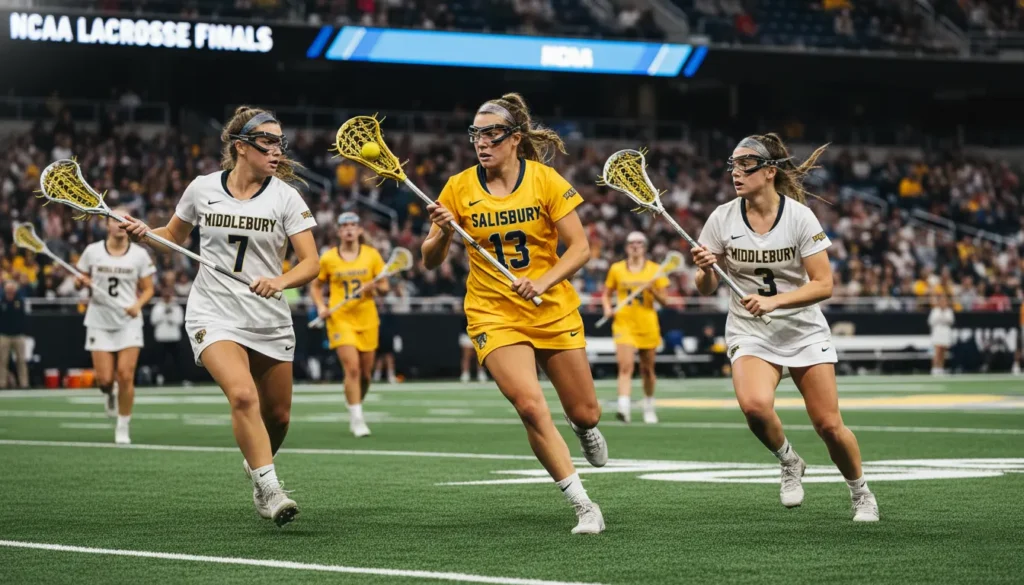
Learn how to get recruited for college lacrosse with clear steps on academics, videos, timelines, events, and profiles from a sports recruitment company.
How Wearable Technology in Sports Improves Training Results?
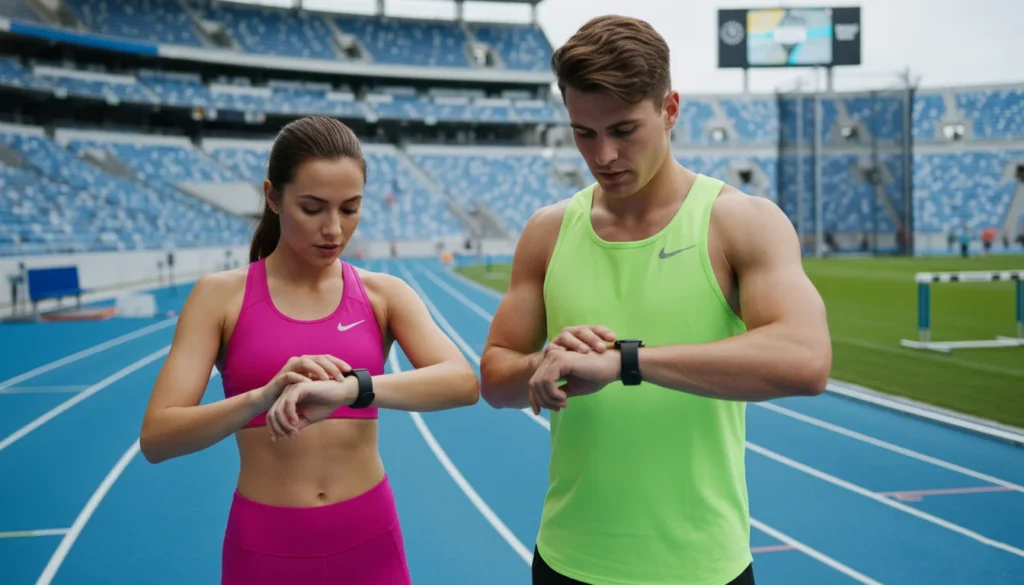
Student-athletes often face immense pressure to perform while balancing academic loads. They need every advantage that science provides to maximize their time. Today, the rise of wearable technology in sports has changed the game for everyone involved in the journey toward higher-level competition. It provides a level of precision that gut feeling simply cannot match.
This article explains how wearables improve training results, support safer routines, and help student-athletes build strong profiles while staying within compliance rules.
NCAA Recruiting Calendar & Complete Timeline for High School Athletes
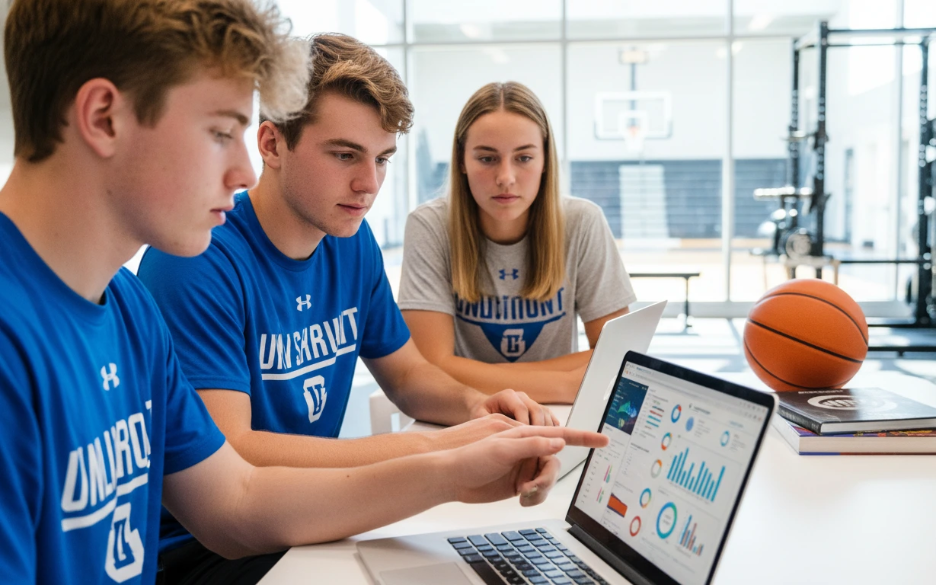
If you’ve ever wondered why coaches seem to disappear for weeks at a time, or why some months feel like a recruiting whirlwind while others are completely quiet, you’re experiencing the NCAA recruiting calendar in action. This isn’t a mysterious system designed to confuse families; it’s actually meant to protect your student-athlete’s time and create fairness across the process.
Think of the NCAA recruiting calendar as a seasonal roadmap that tells coaches when they can connect with your family. Once you understand this rhythm, those quiet periods feel less stressful, and the busy seasons become more productive. You’ll stop wondering if silence means they’ve lost interest, and start recognizing it as just part of the natural recruiting flow.
Women’s Volleyball Recruiting: Key Skills and Exposure Strategies
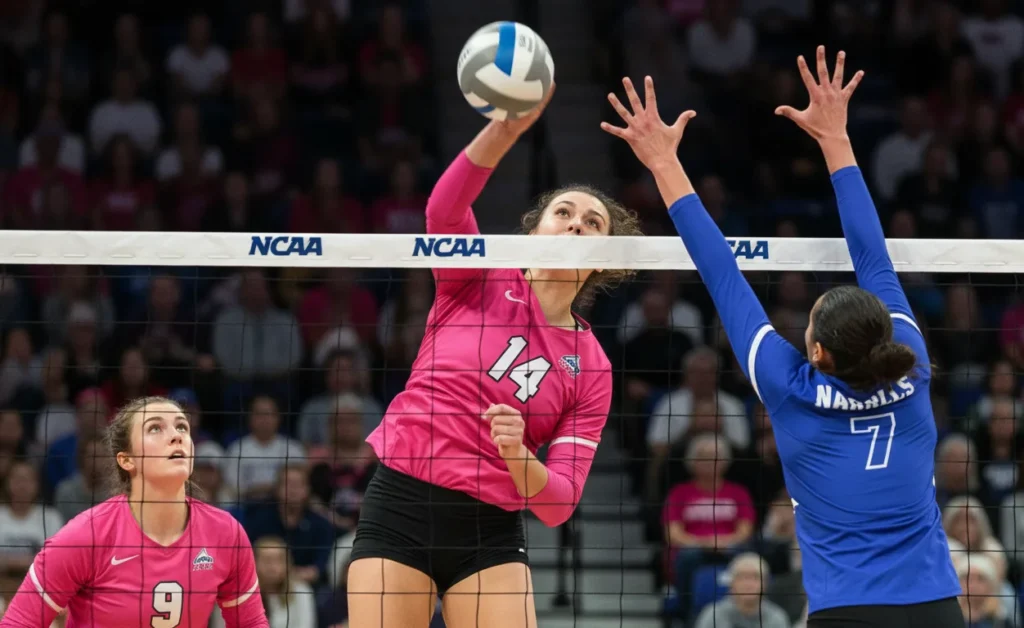
You step onto the court; the lights are bright, and you know college coaches could be watching. It’s a thrilling feeling, but it’s also when many of your questions start. You wonder: Am I showing my best skills? What are they actually looking for? And how do I make sure the right coaches see me play?
That mix of excitement and uncertainty is exactly what women’s volleyball recruiting—and the broader world of female athlete recruiting—is all about. It’s more than just playing well. It’s about understanding what makes a coach stop scrolling through their phone, rewatch your highlight clip, and think, “I need to learn more about her.
For female college athletes, this process is a balancing act. It’s part skill development, part smart planning, and a whole lot of believing in your own journey. Here, we’ll walk through the skills that get coaches’ attention and the real-world strategies that help you get seen, so you can play with confidence, both on the court and in your women’s volleyball recruiting process.
NCAA Dead Period vs. Quiet Period vs. Contact Period – What Families Need to Know
The NCAA recruiting calendar can be quite perplexing, as concepts like the NCAA dead period and the NCAA contact period are often mentioned but not really explained in a straightforward manner, which is why families search for clear NCAA recruiting rules explained guidance. Grasping these regulations is the key to going through the procedure with confidence and avoiding common assumptions that create unnecessary stress.
Through this guidance, each period is thoroughly analyzed so that communication between student-athletes, their parents, and coaching staff is clear and that everyone is aware of the permitted, prohibited, and recommended actions to be taken throughout the year.
How to Contact College Coaches for Recruiting: Email Templates and Best Practices

Let’s be honest, hitting ‘send’ on that first email to a college coach feels a little scary. You spend so much time getting it just right, and then you wait and wait. But here’s the secret: coaches want to hear from you. In fact, learning how to contact college coaches for recruiting the right way is one of the most important skills you can build. The right guidance should teach you how to communicate, which is different from what some sports recruiting services do when they just take over your inbox.
Learning how to write strong recruiting emails to college coaches is one of the most important early skills for any athlete.
Before you start, make sure you have these four things ready to go. Here’s the straightforward, no-fluff guide to writing emails that get opened, read, and (most importantly) replied to.
College Golf Recruiting: What Coaches Look for in Junior Golfers
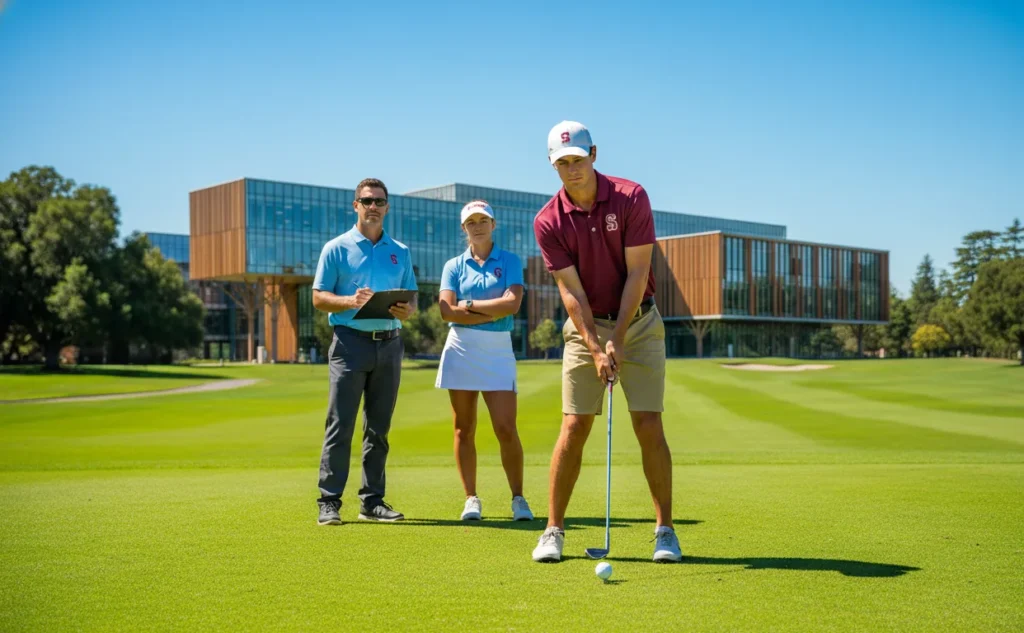
College golf recruiting can feel like a puzzle. You might have a great round, send your scores in, place well in tournaments and then… wait. You see other players getting offers and wonder, “What do coaches actually want to see?”
The truth is that college golf recruitment isn’t just about low scores. It’s about telling a coach a story, a story of consistency, maturity, and steady growth over many years, rounds and tournaments. Coaches have been building a team for four years, and they need to know they can trust you, both on the course and in the classroom.
This guide breaks down what really matters in the eyes of a college golf coach in their team building efforts, so you can prepare with purpose and play the recruiting game as strategically as you play the course.
College Recruiting Timeline for Freshmen and Sophomores

Freshman and sophomore years represent the foundation of this entire process. Many people mistakenly believe they can wait until junior or senior year to think about their future. Waiting that long often results in missed opportunities and unnecessary stress. Following a structured college recruiting timeline ensures that student-athletes remain on the right path while staying compliant with strict national regulations.
This guide breaks down exactly what freshmen and sophomores should focus on, what rules apply, and how you can move forward with clarity and confidence.
10 College Recruitment Tips Every Athlete Needs to Succeed
Thousands of student-athletes compete for a limited number of roster spots across the U.S. every year. Navigating the path toward college sports recruiting feels exciting, challenging, and sometimes overwhelming. Standing out in this crowded field requires more than just a good stat line. Strong guidance makes the journey easier, and the right approach turns hope into a real opportunity. Below are the ten essential college recruitment tips that make a measurable difference.
How to Choose a University Program: Make the Right Choice

The college search often starts with the flash of a uniform or the roar of a packed stadium. But the real decision about how to choose a university program happens far from game day. It’s a choice about where your student will build a life for four years, not just where they’ll play for four seasons.
You might be exploring offers with the help of football recruiting services or gathering information from NCAA recruiting services, and that support is valuable. But the final choice, the one that leads to genuine fulfillment, comes from asking deeper questions. It’s not just “Can I make the team?” but “Will this program make me better? Will I leave here prepared for what comes next?” This process isn’t about finding a perfect school. It’s about finding the right fit for your entire future. Here’s a practical way to look beyond the brochure and find it.
What Is NIL in College Sports? Name, Image, and Likeness Explained
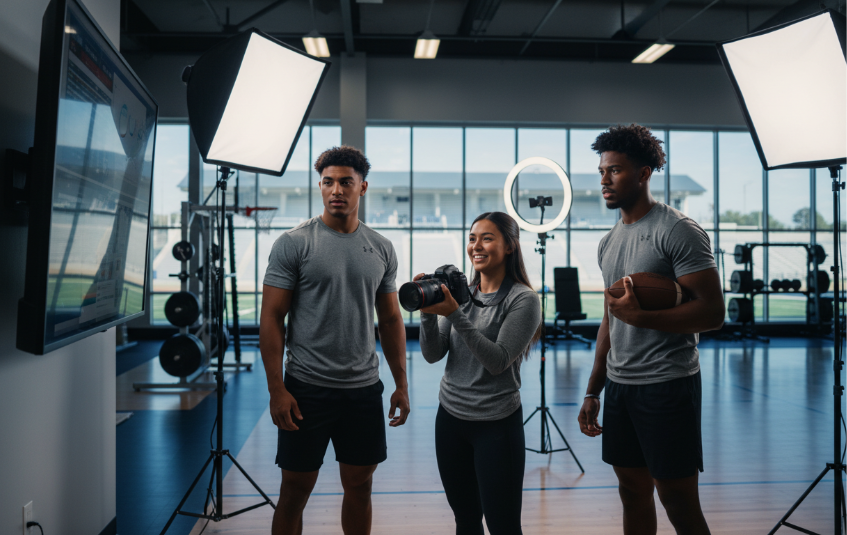
If you’re trying to understand what is NIL in college sports, you have plenty of company. Many families we talk with feel unsure about what these three letters mean for their student-athlete’s future. The news stories about large deals can make NIL seem confusing or out of reach.
The reality is simpler: NIL represents a significant change in college sports that affects most families. Getting familiar with NIL now helps your student-athlete develop useful skills and create options.
Let’s walk through what NIL actually involves, using clear language that makes sense for your family.
What is NCAA Eligibility: Core Courses, GPA, and Requirements

Families often wonder what NCAA eligibility really means and how it affects college sports opportunities. The rules of student-athlete’s academic readiness and amateur status look complex, the steps feel confusing, and the online explanations often sound like legal documents.
In this guide, you will learn about NCAA eligibility rules, academic requirements, core courses, and GPA requirements. Think of this as the roadmap every student-athlete wishes they had during the first talk about college sports recruiting.
How to Use Social Media for College Recruiting: Essential Do’s and Don’ts
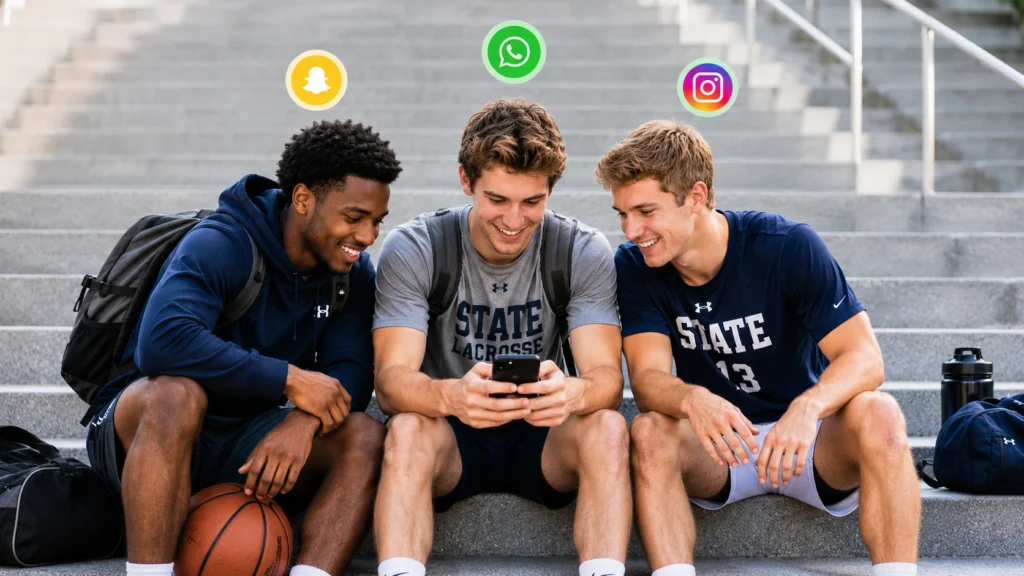
Social media has changed the entire scenario of college recruiting. A huge part of their evaluation happens long before they ever send you an email, and learning how to use social media for college recruiting is now just as important as learning a new play. What you post, share, and comment on shapes a first impression that can either open a door or quietly close it.
So, when families ask for advice, the answer is simple: treat your profiles like a professional highlight window, not a personal diary.
This blog will walk you through a practical framework for how to use social media for college recruiting effectively.
D1 vs D2 vs D3: How to Pick the Right Division for Athletes
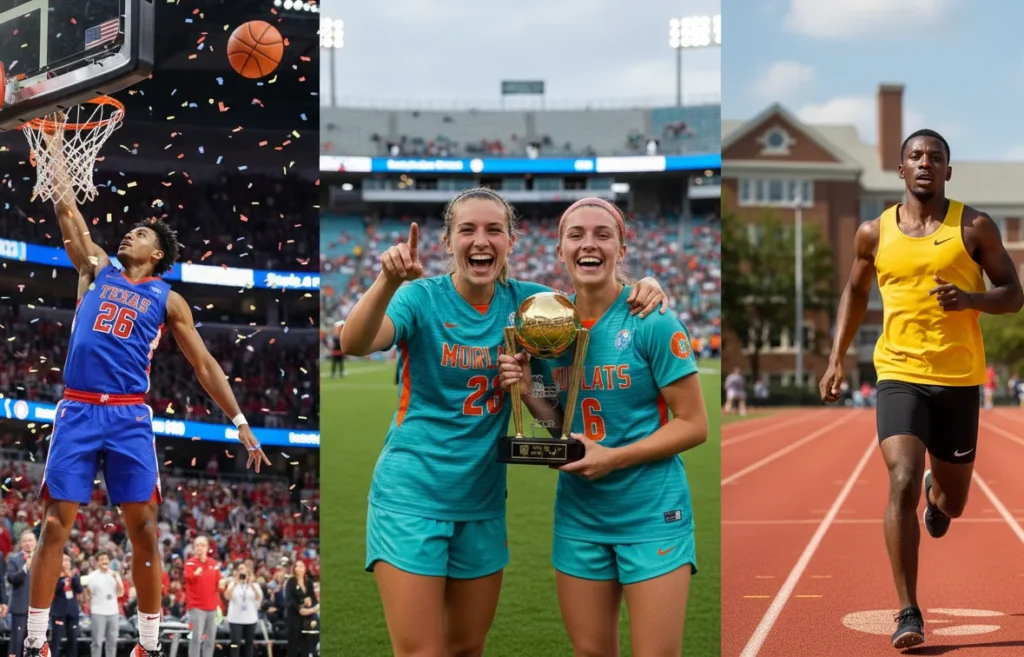
One of the most common questions families ask us is, “Which division should my child aim for: D1, D2, or D3?” And while the question sounds simple, the answer rarely is, especially when you’re trying to understand the real D1 vs. D2 vs. D3 differences beyond the stereotypes.
The choice isn’t about which division is “better.” It’s about understanding where your student-athlete will actually thrive as a player, a student, and a person. Before you get lost in the hype or the labels, let’s talk about the real, day-to-day life in each one.
How to Create a Highlight Video That Gets College Coaches’ Attention
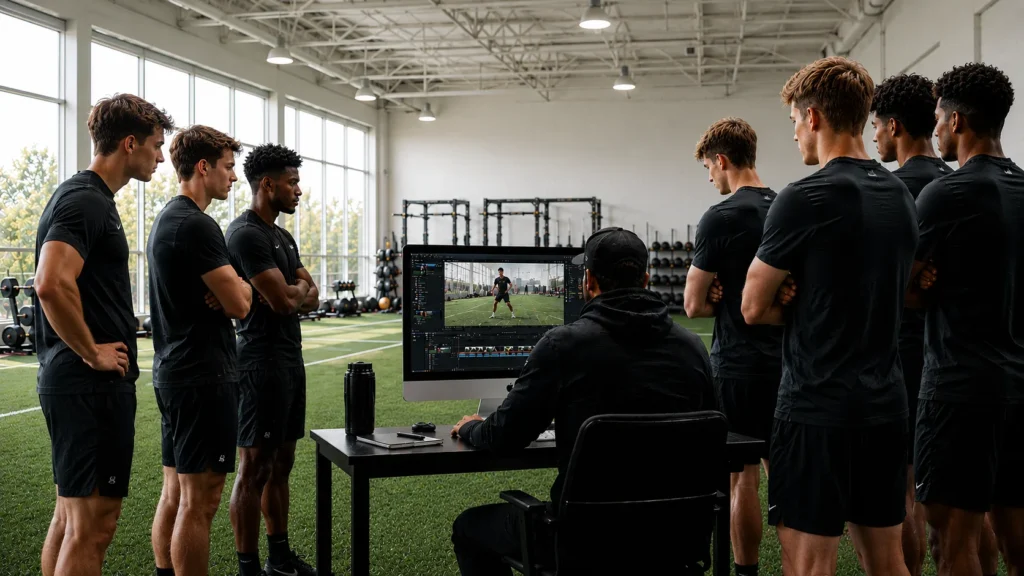
Highlight videos play a huge role in helping student-athletes stand out. These videos make a strong first impression and help college coaching staff understand skill level, growth, and potential. Learning how to create a highlight video does far more than put clips together. It tells a clear story about how a student-athlete performs in real competition. The process feels simple at first, but the details matter.
This guide walks you through how to create a highlight video that fits compliance rules, respects communication timelines, and helps student-athletes represent their abilities with confidence.
How Coaches Evaluate Recruits in College Sports Recruiting

One of the most significant facets of college sports recruiting is figuring out how coaches assess players. While families may tend to concentrate on highlight plays or moments that really stand out, coaches actually look into a lot more. The evaluation in no case is only about athletic ability irrespective of the sport, e.g., women’s basketball recruiting. Besides that, the coaches search for dependability, progress, character, academic preparedness, and the kind of player who will be a pillar to their team’s future success. The recruiting process becomes more understandable, less complicated, and more foreseeable when families get to know these requirements.
Top 10 Mistakes Families Make in the College Recruiting Process

The college recruiting process can be so overwhelming and stressful that families often have no idea where to begin or what to do, even if they have already started. On top of that, there are tons of opinions, myths, and mixed-up information, which makes it almost impossible to be sure of the next step or whether doing the “right” thing is an option.
This guide is meant to support and simplify the college recruiting process for families. With the right framework, planning, and attitude, student-athletes are capable of creating a pathway that prioritizes their development, health, education, and leadership instead of pressure.
Questions to Ask College Coaches / Recruiters for Athletics

Your potential as a student-athlete can be impacted by your initial discussions with a college athletic recruiter. Understanding questions to ask college coaches / athletic recruiting staff for athletics will empower you to make confident and informed decisions about your opportunities for growth, and potential scholarships. Insight-Athletics is one of the best platforms to get guidance and insight before hopping into any athletic recruiting discussion, searching for a place on their team. Each program must be evaluated by every student-athlete and their family, with respect to the ways they support athletes on and off the field.
Most conversations in recruiting will cover more ground than just athletic talent. There will be conversations about academics and facilities, but also about how the college is committed to athlete /personal development. If you are engaging, thoughtful, and disciplined in your questioning – then potential programs will see that you are focused and disciplined enough to be serious about your future with them. These Questions to Ask College Recruiters for Athletics help student-athletes understand how to build a future that’s strong both on and off the field.
Top Sports Colleges in America for Aspiring Athletes
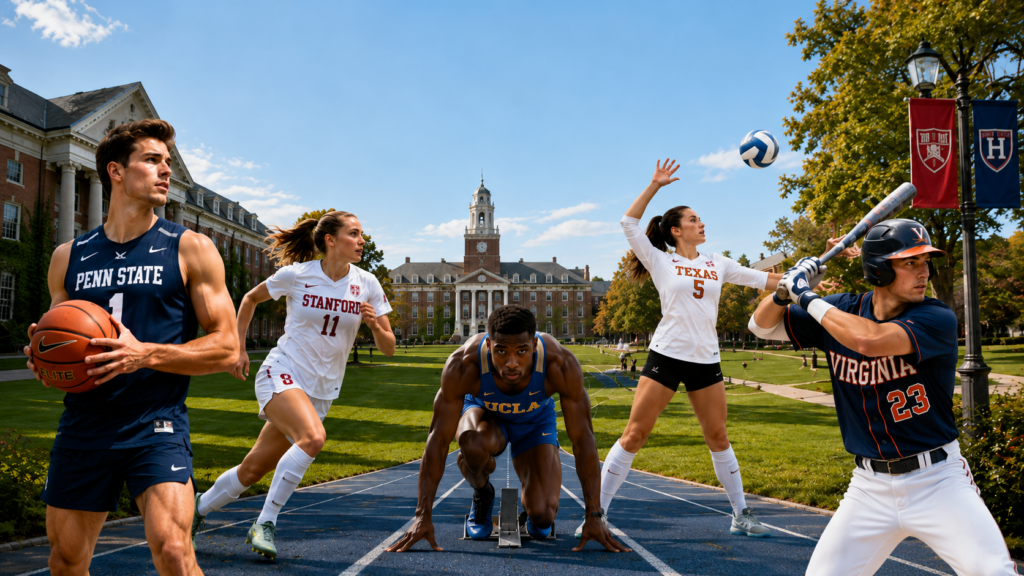
Across the United States, several colleges stand out for their dedication to helping students sharpen their athletic skills while pursuing academic goals. The top sports colleges in America provide elite coaching, innovative facilities, and abundant scholarships for athletes, giving every student a chance to turn passion into a profession. These universities balance academics, athletic training, and personal growth, helping student-athletes reach their full potential. From world-class training facilities to mentorship programs that prepare students for life beyond sports, these colleges stand as pillars of excellence for aspiring athletes aiming for professional careers.
We’ve compiled the list to help aspiring athletes discover the Top Sports Colleges in the U.S. where talent meets opportunity. Our insights are drawn from factors such as sports achievements, training infrastructure, and overall student success in athletics.
How Much Do College Athletes Get Paid a Month?

College players are paid mainly in the form of NIL (Name, Image, and Likeness) contracts and new share-the-money initiatives. Average players may not receive much, but star players may be paid thousands per month. Knowing how much college athletes get paid a month enables hopeful players to prepare financially and aim at programs accordingly.
Average annual compensation for Division I players was over $3,000, or about $300 monthly per player. College superstars can make $8,000+ per month from endorsements, sponsorships, or revenue-sharing deals. Payment for athletes differs by sport, visibility, school budget, etc.
Most athletes pair scholarships with NIL contracts to earn maximum money in a month. Scholarships pay tuition, room, and board, but money comes from brand agreements, personal endorsements, college collectives and grassroots sponsorships in colleges with athletic training programs. Students must budget for monitoring potential monthly income to stay in good financial standing throughout college.
How to Get Recruited for College Sports

Recruitment in college sports is a dream for many High School Student-Athletes. Many parents hope their children have the opportunity to become part of the athletic community in college, but due to the large number of quality student-athletes, the recruitment process becomes rigorous. Families struggle to understand how colleges recruit and evaluate.
In this article, we will provide you with a general guide on how to get recruited for college sports based on a coach’s perspective.