

Unlock your potential

Free Registration – Access Exclusive Resources

NCAA Dead Period vs. Quiet Period vs. Contact Period – What Families Need to Know

By

Insight-Athletics

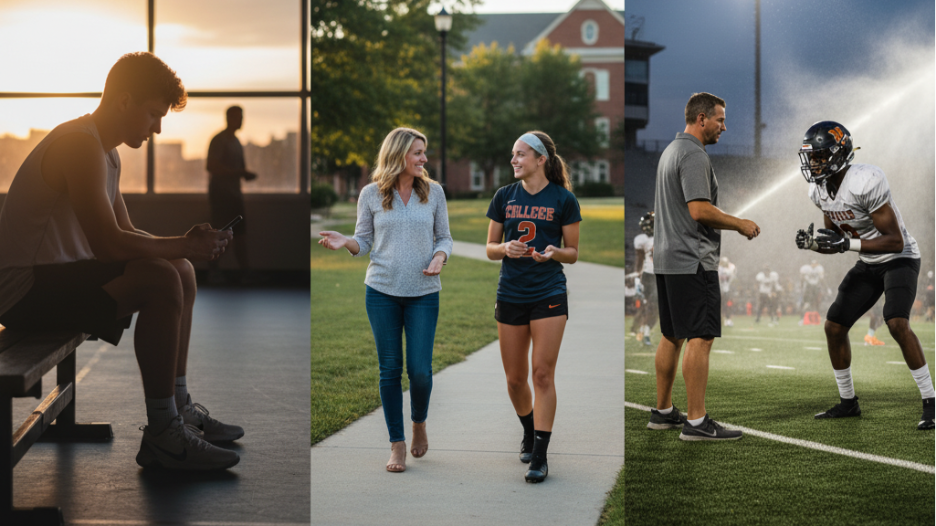
Student-athletes and coaches communicating during the NCAA dead period, quiet period, and contact period

The NCAA recruiting calendar can be quite perplexing, as concepts like the NCAA dead period and the NCAA contact period are often mentioned but not really explained in a straightforward manner. Grasping these regulations is the key to going through the procedure with confidence and avoiding common assumptions that create unnecessary stress.

Through this guidance, each period is thoroughly analyzed so that communication between student-athletes, their parents, and coaching staff is clear and that everyone is aware of the permitted, prohibited, and recommended actions to be taken throughout the year. 

Why Understanding Recruiting Periods Matters 

Different periods in the NCAA recruiting calendar indicate different times and manners when college coaches can get in touch with prospects. Families are often in the dark about these rules and therefore consider no contact as non-interest, whereas it is the case that coaches are just adhering to fixed regulatory timelines.

Knowing these rules helps families: 

  • Avoid misinterpreting silence from coaches.
  • Plan communication and updates more strategically.
  • Stay organized and prepared for each stage.
  • Support the student-athlete without pressure or confusion.
  • Build confidence through an athlete mindset.

Once the right pieces of information are obtained, the whole procedure turns into one that can be anticipated and is far less likely to cause a person anxiety or stress. 

The Three Main Recruiting Periods of the NCAA

1. NCAA Dead Period: The Truth About It

 The NCAA dead period is the time during which recruiting is prohibited to the greatest ‍extent.

What is Not Allowed:

  • Any form of in-person contact between college coaches and prospects.
  • Official campus visits.
  • Coaches attending games, tournaments, or visiting high schools.

Many families assume “dead period” means all recruiting stops, which is not true. Coaches can still evaluate prospects online and communicate digitally. This is a critical time to send email updates with new academic achievements, athletic highlights, or competition schedules.

2. NCAA Quiet Period: Limited In-Person, Focused Communication

The NCAA quiet period provides more leeway than the dead period; however, there are still certain limitations for off-campus evaluation.

What is Allowed:

  • All forms of digital communication (phone, email, text).
  • In-person contact, but only on the college campus during official or unofficial visits.

What is Not Allowed:

Any off-campus, in-person contact. Coaches cannot watch you play at tournaments or visit your high school.

During ‌‍the NCAA quiet period, families are encouraged to start conversations as well as plan visits to the campus to build up their relationship with the coaching staff without the concern of off-campus evaluations.

3. NCAA Contact Period: Full Access and Evaluation

The college recruitment contact period is the least restricted phase in the recruiting calendar, thus providing a greater degree of ‍involvement.

What is Allowed: 

  • All digital communication.
  • In-person, off-campus recruiting conversations. These ‍are face-to-face, off-campus recruiting discussions.
  • Coaches who are present at the games, practices, and tournaments to scout potential players.
  • Home or high school visits.
  • Official and unofficial campus visits.

This is the period when relationship-building accelerates significantly. Student athletes will see the increase in their interaction and also direct feedback. Good communication skills and being academically prepared have a great influence at this very busy‌‍ ‍‌time.

Key Differences at a Glance:

Period  In-Person Contact  Off-Campus Evaluation  Campus Visits  Digital Communication 


NCAA Dead Period  Not Allowed  Not Allowed  Not Allowed  Allowed 


NCAA Quiet Period  On Campus Only   Not Allowed  Allowed   Allowed  
NCAA Contact Period  Allowed  Allowed  Allowed  Allowed 

How Families Can Stay Prepared in Every Period

A strategic approach ensures student-athletes are always ready, regardless of the recruiting calendar.

  • Maintain an Updated Profile: Keep athletic videos, academic records, and achievements up to date in a centrally located, well-managed profile.
  • Communicate Proactively: Provide coaches with brief and to-the-point updates that are also relevant to them. Do this during quiet or dead periods when they have more time to look through these updates.
  • Prioritize Academic Readiness: Good grades have always been a strong point in a coach’s assessment and can, therefore, be a great factor in the granting of scholarship opportunities.
  • Support Wellness and Balance: Physical and mental readiness will allow a student-athlete to be able to give their best when they get evaluated.
  • Do Not Compare Timelines: The journey of each athlete is different. Concentrate on making progress at a consistent rate instead of comparing yourself with other athletes.

Also Read: Top Sports Colleges in America for Aspiring Athletes

How Insight-Athletics Helps Families Navigate These Periods

The changing rules of the recruiting calendar may seem complicated at first but become manageable with proper ‍planning. At Insight-Athletics, we demystify the process by empowering families with knowledge and organizational tools; we don’t take over the process.

We give the necessary knowledge and structure to families so that they can:

  • Be able to move through the changes between the NCAA contact period, NCAA quiet period, and NCAA dead period without any trouble by making use of a strategic communication plan that is in harmony with the NCAA calendar.
  • Keeping a profile lively and updated so that coaches can get the most out of it at the right time with the relevant information.

The main idea of our athletic recruiting services is to equip your family with the necessary skills and the student-athlete with the ability to act on his own so that he can make use of his independence and have a clear view of the various stages.

FAQs  

Where can I find information about the NCAA dead period?  

The dead periods for different sports are of different dates as per the decisions made by the NCAA. They are mostly at the same times during the year and usually near the days of signing national letters and academic periods. 

During the NCAA dead period, can coaches talk to student-athletes?  

Only face-to-face interaction is not allowed during the NCAA dead period. Hence, the answer is that the conversation can be held through phone calls, emails, texts, and direct messages, which have to be used for giving timely strategic updates. 

Is the quiet period less essential than the contact period?  

Not in any way. The quiet period is a time when one can have more in-depth discussions during visits to colleges without the disturbance of the evaluation being conducted off-campus, and this is the most important thing for determining the best choice. 

Why does the NCAA contact period matter a lot?  

It is the time when, comprehensively, the performance of the athlete in the game can be watched and assessed by the coaches, together with his/her character and social skills, giving examples from different settings like the game or a visit to the house. 

What can families do to keep themselves in good preparation all through the year?  

A very simple way of organizing is the main factor here. Keeping academically strong, accompanied by good videos of the athlete, consistent wellness routines, and having a planned and structured communication approach will surely lead to the building of confidence and readiness that are necessary through every stage of the ‌‍process.

Also Read: Questions to Ask College Coaches / Recruiters for Athletics 

Let's Get Started

Takes only a few minutes