

Volleyball can open doors to educational opportunities, personal growth, leadership development, and lifelong experiences. Whether your goals include high school success, college athletics, or simply becoming the best version of yourself, Insight-Athletics provides guidance designed to help student-athletes and families navigate the journey with confidence.
Our approach goes beyond recruiting. We help families understand athlete development, academics, leadership, communication, profile building, college pathways, and the life skills that create success both on and off the court.
How Insight-Athletics
Volleyball is about more than rankings, showcases, and college commitments. The most successful student-athletes learn how to develop their skills, manage academics, build relationships, demonstrate leadership, and create opportunities for themselves long after the final match.
We help families better understand:
• Leadership and character development
• Building confidence and resilience
• Time management and organization
• Academic success strategies
• Balancing athletics, school, and life
• Building a complete athlete profile
• Showcasing leadership and community involvement
• Highlighting academics and extracurricular achievements
• Creating effective personal introductions
• Presenting yourself professionally to coaches and schools
• Club volleyball pathways and opportunities
• NCAA, NAIA, and NJCAA pathways
• Showcase and tournament environments
• Coach communication strategies
• Understanding the broader volleyball landscape
• College readiness
• Building transferable life skills
• Developing a strong personal foundation
Every Student-Athlete Has a Story. Most Don’t Know How to Tell It.
Unlike traditional recruiting profiles that focus primarily on athletic statistics, rankings, and Highlights, the Insight-Athletics Athlete Profile Builder helps student-athletes showcase their complete story.
While athletic performance matters, coaches often evaluate much more.
The most meaningful opportunities are often earned through a combination of athletic ability, academic preparation, leadership, character, and personal growth.
Our Athlete Profile Builder helps families organize and showcase these important elements in a way that helps coaches, admissions staff, and future employers better understand the complete student-athlete and their potential.
Because success isn’t defined by statistics alone.
Every student-athlete develops at a different pace. While age and grade level can provide general guidance, the most important factor is understanding where an athlete is in their development journey.
The roadmap below is designed to help families focus on the right priorities at the right time.
Stage 1
Typically Grades 11 – 14
Focus on skill development, confidence building, academic habits, teamwork, communication, and developing a strong understanding of the game while enjoying the experience.
Stage 2
Typically Grades 13 – 16
Create game footage that demonstrates volleyball IQ, communication, effort, teamwork, decision-making, court awareness, and overall player development.
Athletes continue building confidence, consistency, and competitive experience.
Stage 3
Typically Ages 14–17
Learn about club volleyball programs, showcase events, tournaments, recruiting education, and communication expectations while identifying opportunities that align with your goals.
Begin building relationships with coaches, mentors, and programs that may support your long-term development.
Stage 4
Typically Ages 15–18
Gain education on NCAA, NAIA, and Junior College opportunities while learning how coaches evaluate prospective student-athletes.
Explore how academics, volleyball development, leadership, and personal goals influence future opportunities.
Stage 5
Typically Ages 16–18+
Evaluate academic programs, team culture, coaching philosophy, development opportunities, campus environment, and long-term goals to identify the best overall fit.
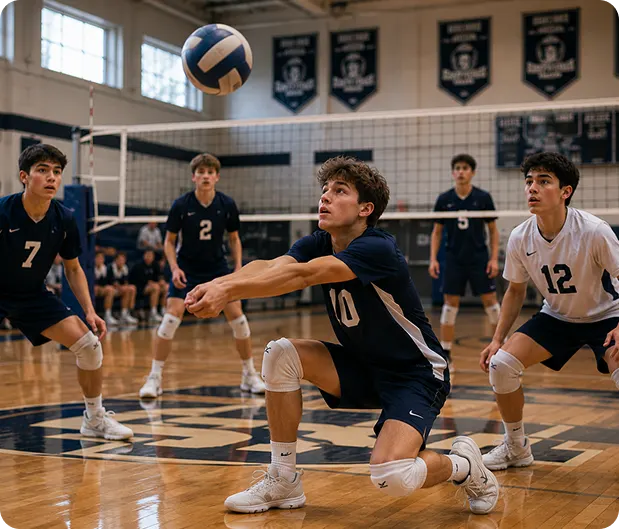
1,200+ colleges have men's and women's soccer programs across the U.S.
34,000+ student-athletes compete in collegiate volleyball across the U.S. each year.
College coaches evaluate far more than athletic ability, including academics, leadership, character, work ethic, and coachability.
The best college fit is often determined by academics, culture, development opportunities, and personal goals—not division level alone.
Help your family better understand the recruiting landscape, key milestones, communication strategies, and college opportunities.
Build a complete student-athlete profile that showcases more than athletic performance.
Help parents confidently support their student-athlete throughout the journey.
Build the skills that create long-term success in sport, school, and life.
Practical resources families can immediately apply.
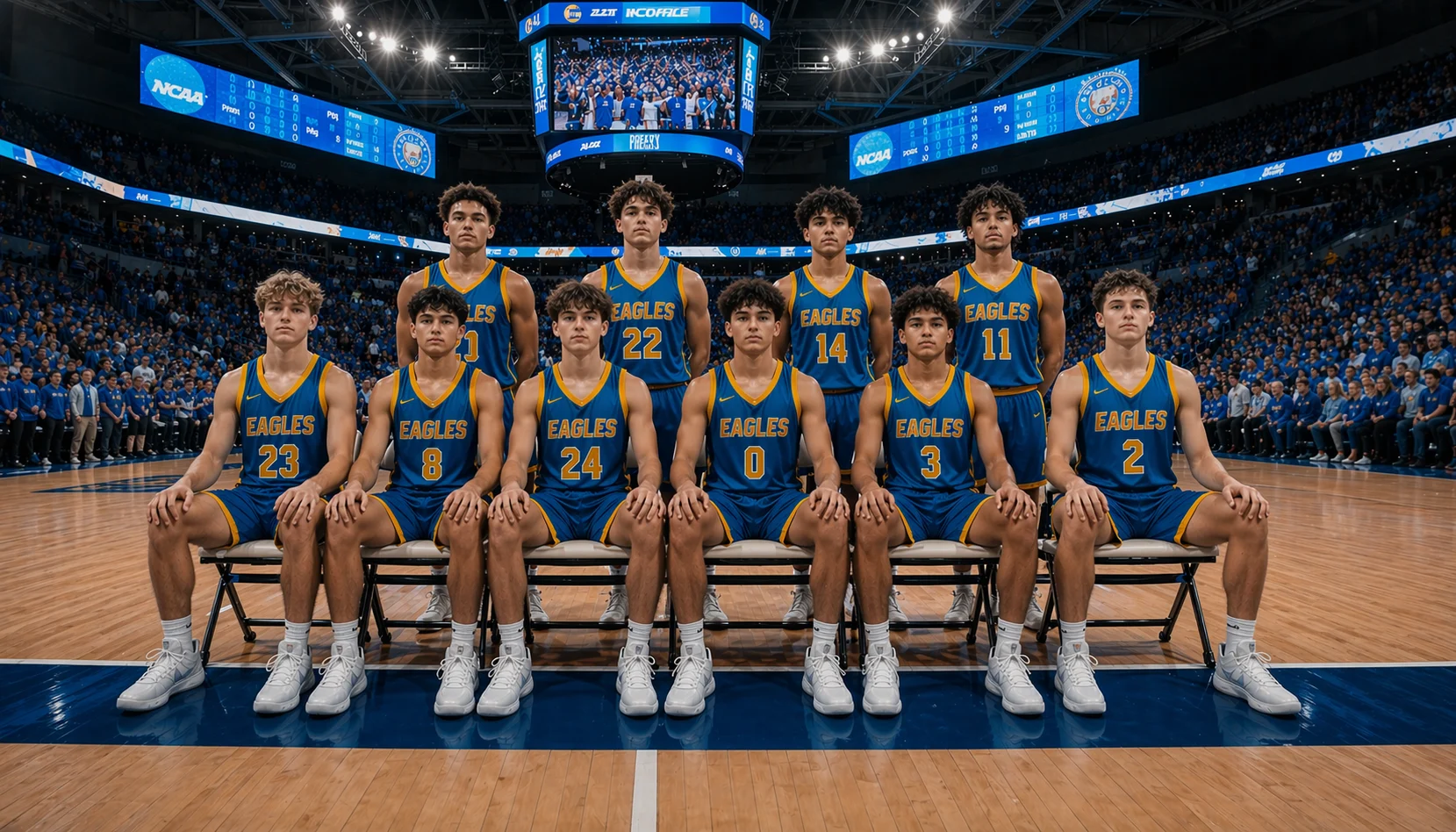

The most successful student-athletes are not always the most talented.
They are often the most prepared.
Explore the Insight-Athletics Resource Hub and Athlete Profile Builder to help your family navigate volleyball, education, leadership, and future opportunities with confidence.
Every family has questions about academics, athletics, leadership, college opportunities, and long-term development.
Here are answers to some of the most common lacrosse families ask as they navigate the student-athlete journey.
Volleyball can provide far more than athletic opportunities. Through training, competition, teamwork, and goal-setting, student-athletes often develop skills that help them succeed in the classroom, college, careers, and life.
Participation in volleyball can help students learn time management, accountability, communication, leadership, resilience, and the ability to work effectively with others. These are qualities that colleges, employers, and future leaders value highly.
For many student-athletes, volleyball also becomes a pathway to educational opportunities, helping them explore colleges, academic programs, and experiences they may not have otherwise considered.
At Insight-Athletics, we encourage families to view volleyball not simply as a sport, but as a vehicle for personal growth, educational development, and long-term success.
Club volleyball can provide valuable competition and development opportunities while helping student-athletes gain experience in different playing environments.
Highlight videos can help coaches quickly evaluate skills, movement, and potential before requesting additional match footage.
Insight-Athletics provides education, guidance, recruiting literacy, leadership development resources, and long-term planning support throughout the student-athlete journey.
Elite Membership Required
These fields are only available with an ELITE membership.
Upgrade MembershipCoach registration successful.